You Gotta See What Addis Ababa’s Markets Are Hiding
Shopping in Addis Ababa isn’t just about buying souvenirs—it’s a full sensory journey through colors, scents, and stories. From bustling open-air markets to modern boutiques, the city offers an authentic glimpse into Ethiopian culture. As someone who explored every corner, I can tell you: the real treasures aren’t always on display. This guide shares where to go, what to look for, and how to shop like a local—without overpaying or missing the magic. Whether you’re drawn to handwoven textiles, rare antiques, or the rich aroma of freshly ground coffee, Addis Ababa’s shopping scene reveals far more than goods. It reveals lives, traditions, and the heartbeat of a city where commerce and community are deeply intertwined.
The Pulse of Addis: Mercato as a Cultural Hub
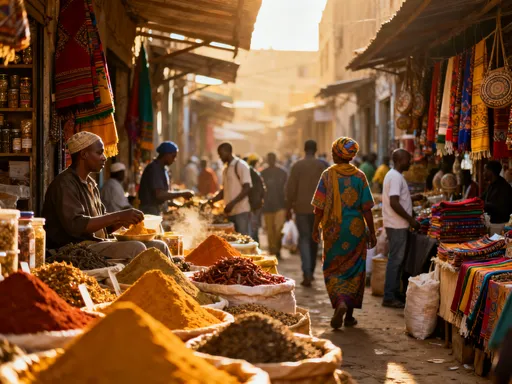
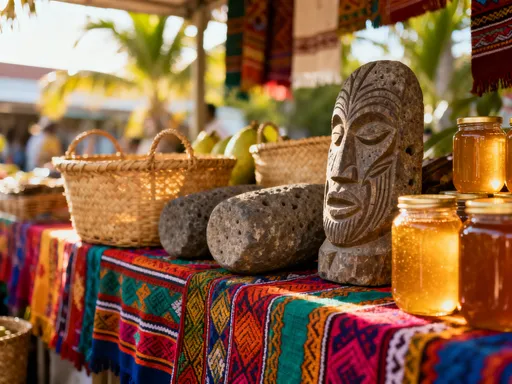
Mercato is not just a market—it is the living, breathing heart of Addis Ababa. As Africa’s largest open-air market, it stretches across several square kilometers and pulses with relentless energy from dawn until dusk. Here, commerce is not confined to stalls; it spills into alleyways, fills side streets, and hums in the voices of vendors calling out in Amharic, Oromo, and Somali. Walking through Mercato is like stepping into a vast, unstructured city within a city, where every turn reveals something new: mounds of golden turmeric, stacks of hand-hammered brass pots, bolts of cotton cloth dyed in deep indigo and crimson. The air carries the mingled scents of dried berbere spice, leather, and freshly baked injera, creating a sensory tapestry that lingers long after you leave.
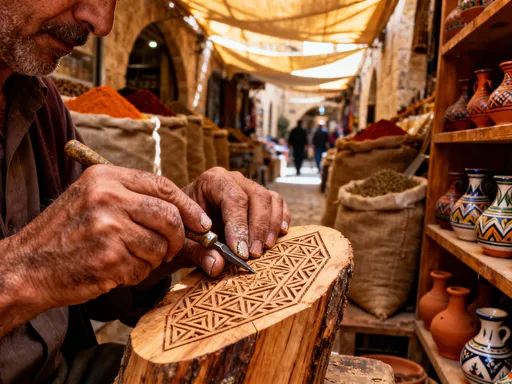
For first-time visitors, Mercato can feel overwhelming. There are no clear maps, few signs in English, and the sheer scale can be disorienting. Yet, this chaos is also its charm. Unlike sanitized shopping malls, Mercato operates on raw authenticity. You’ll see farmers selling produce from the countryside, women balancing baskets of spices on their heads, and artisans shaping wooden crosses with chisels right on the sidewalk. It’s a place where daily life and trade are inseparable. The market isn’t just for tourists—it’s where locals come to buy food, clothing, tools, and household goods. This integration of function and culture makes Mercato one of the most genuine urban market experiences in Africa.
To navigate Mercato wisely, preparation is key. Hiring a local guide is highly recommended, especially for first-time visitors. A knowledgeable guide can help you avoid getting lost, introduce you to trusted vendors, and translate conversations that might otherwise be inaccessible. The best time to visit is early in the morning, between 8 and 10 a.m., when the heat is mild and the market is fully stocked. Crowds tend to peak in the late afternoon, so arriving early also means fewer people and better bargaining opportunities. While the market is generally safe during daylight hours, it’s wise to stay aware of your surroundings, keep valuables out of sight, and avoid wandering into less-traveled sections alone.
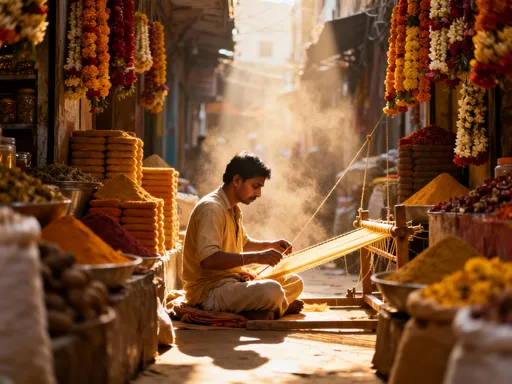
What makes Mercato truly essential is not just what you can buy, but what you can learn. Watching a woman weave a traditional shawl on a wooden loom, or seeing coffee beans sorted by hand before roasting, offers insight into centuries-old practices that continue to thrive. The market is a classroom without walls, where every transaction carries a story. By embracing its unpredictability and respecting its rhythms, visitors gain more than souvenirs—they gain understanding. Mercato challenges the modern impulse for convenience and efficiency, reminding us that shopping can be slow, social, and deeply human.
Beyond Bargains: What Makes Addis Ababa’s Shopping Unique
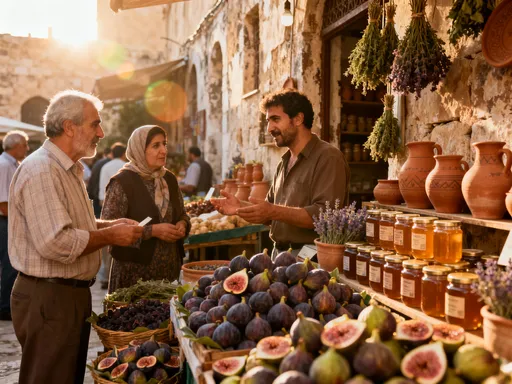
Shopping in Addis Ababa differs from typical tourist retail experiences because it’s rooted in relationship, not just transaction. Bargaining here is not a battle of wills; it’s a form of conversation, a dance of respect and connection between buyer and seller. Prices are rarely fixed, and haggling is expected—but done with a smile, not aggression. This cultural norm transforms shopping from a mere exchange of money into a moment of human interaction. A vendor might ask about your journey, offer you a cup of tea, or share a joke before settling on a final price. These moments are not distractions—they are the essence of the experience.
Another defining feature is the deep cultural significance of the goods themselves. Many items sold in Addis markets are not mass-produced trinkets but handcrafted objects infused with meaning. Take the shemma, a traditional Ethiopian cotton cloth woven in long strips and stitched together. Used for clothing, blankets, or ceremonial wraps, the shemma represents patience and skill. Each piece may take days to complete, with patterns that vary by region and ethnic group. When you purchase a shemma, you’re not just buying fabric—you’re supporting a craft that has sustained families for generations.
Similarly, Ethiopian coffee sets—complete with a jebena (clay coffee pot), small cups, and a roasting pan—are more than kitchenware. They symbolize the country’s revered coffee ceremony, a ritual of hospitality that brings people together. Owning a set connects you to a tradition where coffee is not rushed but savored, shared, and celebrated. Other culturally rich items include kob drums, used in religious and community events, and hand-carved wooden crosses, often made from olive wood and inscribed with biblical motifs. These are not decorative novelties; they are functional objects with spiritual and social importance.
The value of shopping in Addis Ababa, therefore, extends beyond the item itself. Every purchase supports local artisans, many of whom rely on market sales for their livelihood. Unlike global supply chains that obscure the origin of goods, Addis markets offer transparency. You can often meet the maker, ask about their process, and see the pride in their work. This direct connection fosters ethical consumption, allowing travelers to shop with intention. When you buy a handwoven basket or a hand-stitched leather bag, you’re not just acquiring a souvenir—you’re preserving a craft, honoring a tradition, and contributing to a family’s well-being.
Shiro Meda: The Weekend Market Everyone’s Talking About
If Mercato is the city’s commercial engine, Shiro Meda is its weekend soul. Open only on Saturdays, this lively market has become a favorite among locals, expatriates, and curious travelers. Located near the Piazza district, Shiro Meda offers a more curated but still vibrant alternative to the intensity of Mercato. Here, the focus shifts from daily necessities to treasure hunting—antiques, vintage clothing, rare books, and one-of-a-kind crafts. The atmosphere is festive, with music drifting from nearby cafes, children weaving through stalls, and the constant hum of friendly negotiation.
What sets Shiro Meda apart is its eclectic mix of goods. You might find a 1960s Ethiopian record, a vintage military jacket from the Derg era, or a hand-painted Orthodox icon tucked between stalls. Collectors come for rare coins, old photographs, and traditional jewelry made from silver or amber. Unlike tourist markets that stock identical souvenirs, Shiro Meda rewards patience and curiosity. The thrill lies in the search—turning over a stack of old postcards and discovering a handwritten note in Amharic, or unearthing a hand-carved walking stick with intricate tribal patterns.
For those seeking quality vintage clothing, Shiro Meda is a goldmine. Vendors display racks of secondhand garments, many imported from Europe and the U.S. but carefully sorted and priced according to condition. You’ll find wool coats, leather boots, denim jackets, and even formal wear—all at a fraction of retail cost. To spot the best pieces, look for natural fabrics, solid stitching, and brand labels that indicate durability. Avoid items with stains, broken zippers, or excessive wear. Since sizing can be inconsistent, it’s wise to try things on when possible or bring a measuring tape.
Negotiating at Shiro Meda should be respectful and lighthearted. Vendors expect haggling, but they also appreciate courtesy. Start by asking the price, then offer about 60 to 70 percent of that amount. If the seller counters, meet somewhere in the middle. A simple “That’s too high, can you do better?” followed by a smile often works better than aggressive bargaining. And don’t be afraid to walk away—sometimes that’s when the vendor calls you back with a better offer. After browsing, take a break at one of the nearby cafes, where you can sip spiced tea or fresh fruit juice while watching the market come alive around you.
Modern Flair: Shopping Malls and Boutiques in the City Center
While traditional markets define Addis Ababa’s shopping identity, the city also boasts a growing number of modern retail spaces that cater to different needs and moods. Malls like the Friendship Center and Bole Medhanialem offer air-conditioned comfort, fixed pricing, and a curated selection of Ethiopian and international brands. These spaces are especially welcome during the rainy season or on scorching afternoons when the streets become too hot or muddy for extended walking. They provide a different kind of experience—one that’s more structured but still rich in local flavor.
The Friendship Center, located near the Ethiopian Parliament, combines retail with cultural display. Here, you’ll find shops dedicated to Ethiopian design, selling everything from contemporary fashion to handmade paper products and organic skincare. Many brands emphasize sustainability and ethical production, sourcing materials locally and employing artisans from women’s cooperatives. One popular store features modern dresses made from upcycled shemma fabric, blending tradition with current styles. Another specializes in leather goods crafted by female entrepreneurs trained in vocational programs. Shopping here means supporting social impact, not just aesthetics.
Bole Medhanialem and other commercial hubs also host boutiques that showcase the work of Ethiopian designers. These stores often feature bold prints inspired by traditional motifs, jewelry made from recycled metals, and home décor that fuses African craftsmanship with minimalist design. Prices are higher than in open markets, but they reflect fair wages and quality materials. For travelers looking for gifts with a story, these boutiques offer a reliable alternative to the unpredictability of street bargaining. You won’t need to haggle, and you can feel confident that your purchase supports ethical business practices.
These modern spaces also serve as social venues. Cafes and restaurants within the malls offer a chance to rest, recharge, and observe urban Ethiopian life. You’ll see families enjoying weekend outings, professionals meeting for coffee, and young couples browsing the latest fashion. The atmosphere is cosmopolitan yet grounded in local identity. For visitors who want a break from the intensity of the markets, these centers provide comfort without sacrificing authenticity. They represent a new chapter in Addis Ababa’s retail evolution—one that honors tradition while embracing innovation.
Craft Smarts: Finding Authentic Handicrafts Without Getting Ripped Off
With so many markets and vendors, it’s natural to wonder: how can you tell what’s truly handmade and what’s imported from abroad? The key is knowing what to look for. Genuine Ethiopian handicrafts are made from natural materials—cotton, wool, leather, wood, and clay—and show slight imperfections that reveal human touch. Machine-made imitations, often brought in from China or India, tend to be too uniform, with perfect stitching or overly bright, synthetic dyes. Take the time to examine the details: feel the texture of a woven basket, inspect the grain of a wooden carving, or look at how a piece of jewelry is assembled.
For textiles like the shemma or the netela (a sheer, white ceremonial wrap), pay attention to the weave. Authentic pieces have a slightly irregular pattern, with subtle variations in thickness and color. The edges may not be perfectly straight, and the fabric might feel heavier than mass-produced versions. When examining leather goods, such as bags or sandals, check the seams and smell the material. Real leather has a distinct earthy scent and soft grain, while fake leather feels plasticky and lacks flexibility. Hand-tooled designs on leather should show slight asymmetry—this is a sign of craftsmanship, not flaw.
One of the best ways to ensure authenticity is to buy directly from cooperatives or artisan centers. Places like the Addis Ababa Women’s Crafts Cooperative or the Shellela Artisans Market specialize in handmade goods and guarantee that proceeds go straight to the makers. These shops often include information about the artisans—photos, names, and stories—adding depth to your purchase. Prices may be slightly higher than street stalls, but they reflect fair compensation and sustainable practices. Plus, you can ask questions and learn about the techniques involved, turning shopping into an educational experience.
When it comes to pricing, research helps. Know the approximate value of common items before you go. For example, a small handwoven basket might cost between $10 and $20, while a large, intricately patterned shawl could range from $40 to $80 depending on size and complexity. Use this knowledge as a baseline for negotiation. Always start with a polite offer—never insult the vendor by lowballing. A respectful approach builds trust and often leads to better deals. Remember, the goal is not to win a bargain but to reach a fair agreement that honors the work involved.
Coffee & Culture: When Shopping Becomes an Experience
In Ethiopia, coffee is not just a drink—it’s a ceremony, a symbol of hospitality, and a cornerstone of social life. This deep cultural connection transforms coffee shopping into something far more meaningful than a simple transaction. In Addis Ababa, several specialty shops and cultural centers offer coffee tastings, live roasting demonstrations, and storytelling sessions that invite visitors to participate in the ritual. Buying coffee here is not just about taking beans home; it’s about understanding their journey from farm to cup.
Venues like the Tomoca Coffee Shop, one of the city’s oldest roasteries, allow customers to watch beans being roasted in small batches over open flames. The rich, smoky aroma fills the air as staff explain the differences between regional varieties—Yirgacheffe’s floral notes, Sidamo’s fruity depth, Harrar’s wine-like complexity. You can sample brewed cups, compare flavors, and even grind your own beans to take home. The staff often share stories about Ethiopian coffee farming, the role of women in cultivation, and the significance of the coffee ceremony in daily life.
Other cultural spaces, such as the Gursha Tej Raw Honey Bar or the Wabi Sabi Café, blend coffee with music, art, and conversation. Here, a purchase might include a short presentation on how to perform a traditional coffee ceremony: washing the green beans, roasting them in a pan, grinding them with a mortar and pestle, and brewing in a jebena over charcoal. These experiences justify higher prices for premium beans, as you’re not just paying for quality—you’re paying for knowledge, connection, and respect for tradition.
Bringing home Ethiopian coffee becomes more than a souvenir; it becomes a way to recreate a moment of warmth and community. Every time you brew a cup, you reconnect with the sounds, scents, and smiles of Addis Ababa. By choosing to buy from places that honor the craft, you support farmers and roasters who take pride in their work. You also carry forward a piece of Ethiopian culture, sharing it with others in the most intimate of settings—the kitchen table.
Final Tips: Navigating the City’s Shopping Scene Like a Pro
Shopping in Addis Ababa is rewarding, but a few practical strategies can make the experience smoother and more enjoyable. First, carry small bills—vendors often lack change for large notes, and having 10, 50, and 100 birr notes on hand makes transactions easier. Avoid flashing money; instead, keep cash in a secure pocket or money belt. Wear comfortable shoes, as you’ll likely walk for hours on uneven surfaces. Bring a reusable bag for your purchases—many vendors don’t provide plastic, and it’s more eco-friendly.
Staying hydrated is important, especially in the midday heat. Carry a water bottle and refill it when possible. While bottled water is widely available, consider using a filtered bottle to reduce plastic waste. Use trusted taxi services like Ride or ZayRide for safe and reliable transportation between markets. These apps offer transparent pricing and GPS tracking, reducing the risk of overcharging. Avoid unmarked cabs, especially at night.
Finally, approach shopping with an open mind and a respectful attitude. Learn a few basic Amharic phrases—“Ten yistilign?” (How much?) or “Ameseginalehu” (Thank you)—to build rapport. Smile, ask questions, and take time to listen. The people you meet are the true heart of Addis Ababa’s markets. When you buy a handwoven basket, a coffee set, or a vintage record, you’re not just acquiring an object. You’re forming a quiet connection across cultures, supporting livelihoods, and carrying a piece of Ethiopia’s spirit with you. In a world of fast fashion and mass production, Addis Ababa reminds us that shopping can be slow, meaningful, and deeply human. Let your journey through its markets be not just about what you bring home, but about what you take with you—understanding, gratitude, and a renewed sense of connection.