Lost in the Labyrinth of Markets: Crete’s Soul Lives in Its Streets
Wandering through Crete isn’t just about ancient ruins or turquoise coves—it’s about the pulse of daily life echoing in its bustling markets and hidden alleyway shops. I never expected that the island’s true magic would unfold not on postcard beaches, but between baskets of sun-dried tomatoes, jars of thyme honey, and hand-thrown pottery. This is shopping as storytelling, where every purchase carries a whisper of tradition, a taste of place. Let’s explore the vibrant shopping venues that reveal Crete’s authentic heart.
The Rhythm of Cretan Life: Why Shopping Here Feels Like Discovery
Shopping in Crete transcends the simple act of buying; it becomes an intimate encounter with culture, history, and human connection. Unlike commercialized shopping districts found in many tourist destinations, Cretan markets are living spaces where generations gather, stories are exchanged, and traditions are quietly preserved. These markets are not staged for visitors—they function first and foremost for locals, which lends them an authenticity that resonates deeply with those who take the time to wander slowly and observe closely. The rhythm here is unhurried, rooted in agricultural cycles and family routines, and every transaction feels like a small ritual.
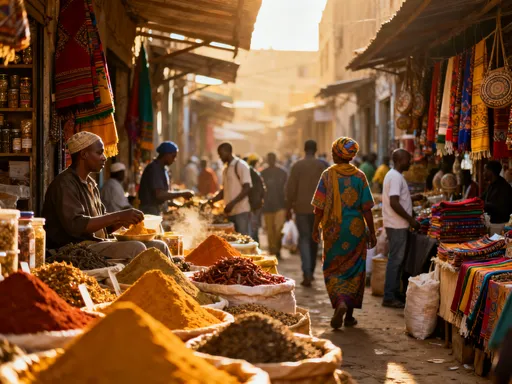
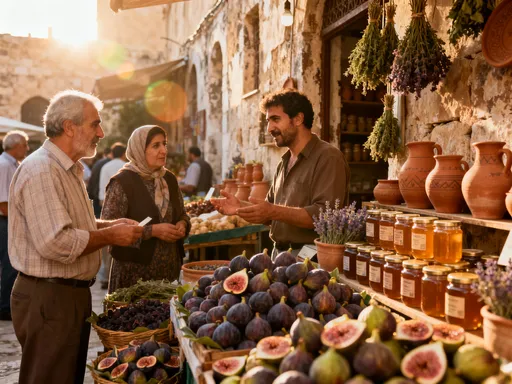
What makes these experiences so powerful is their sensory richness. The air in a Cretan market hums with the scent of dried oregano, sun-warmed figs, and freshly baked dakos, a barley rusk that forms the base of a beloved local snack. Vendors call out in melodic Greek, their voices blending with the clink of glass jars and the rustle of paper bags. Baskets overflow with deep purple aubergines, knobby yellow tomatoes, and wrinkled green olives cured in salt and herbs. The colors are bold and earthy, reflecting the island’s rugged terrain and sun-baked soil. This is not a curated aesthetic—it is real, unfiltered life.
More than any museum exhibit, these markets offer insight into the Cretan way of life. They reflect values of self-sufficiency, hospitality, and pride in craftsmanship. A woman selling homemade thyme honey might explain how her bees forage in the high mountain thyme fields, where the air is pure and the blooms are wild. A farmer might offer a taste of his olive oil, drizzled over a piece of crusty bread, and speak with quiet pride about the age of his family’s trees—some over two hundred years old. These moments are not performances; they are invitations to participate, however briefly, in a way of life that has endured for centuries.
For the thoughtful traveler, especially one who values authenticity and connection, these markets offer a form of discovery that goes beyond souvenirs. They provide a chance to witness the heartbeat of the island—to see how food is grown, how goods are made, and how people relate to one another in a society that still values face-to-face exchange. In a world increasingly dominated by digital transactions and impersonal service, Crete’s markets stand as a testament to the enduring power of human presence and local knowledge.
Heraklion Central Market: A Symphony of Senses
At the heart of Crete’s largest city lies the Heraklion Central Market, a vibrant hub where the island’s agricultural abundance is on full display. Open daily from early morning until late afternoon, this market occupies a long stretch of 1866 Street, named in honor of a historic uprising, and extends into a covered 19th-century market building that once served as a municipal marketplace. The atmosphere is electric, a blend of commerce, community, and culinary delight. Locals weave through the stalls with practiced ease, while visitors pause frequently, captivated by the sheer variety and quality of what’s on offer.
The market is divided into distinct sections, each dedicated to a different category of goods. The produce stalls burst with seasonal offerings: plump red peppers, knotted bunches of dill, and fat cucumbers still dusted with soil. In autumn, crates of pomegranates glisten like rubies; in spring, tender artichokes and wild asparagus appear. The cheese vendors display an impressive array of local specialties—graviera, a hard yellow cheese with a nutty flavor; mizithra, a soft white cheese often sprinkled with herbs; and fava, a creamy yellow split pea spread that is a staple of Cretan breakfasts. Nearby, butchers hang cured meats such as apaki, smoked pork marinated in wine and herbs, and loukaniko, a fragrant sausage seasoned with orange peel and fennel.
One of the most memorable aspects of the Heraklion market is its social energy. It’s common to see elderly men in flat caps sipping coffee from paper cups while debating the price of capers, or mothers handing toddlers slices of fresh watermelon as they shop. Vendors greet regular customers by name and often offer samples with a warm smile. The exchange is not purely transactional—it is relational. Even if you don’t speak Greek, a nod, a smile, or a simple “efharisto” (thank you) can open the door to a brief but meaningful interaction.
For visitors, timing is key. The best time to visit is between 8:00 and 10:30 a.m., when the produce is freshest and the crowds are manageable. By midday, the market becomes more congested, and some vendors begin to pack up. Cash is preferred, especially at smaller stalls, so it’s wise to carry small bills. Don’t hesitate to ask for a taste before buying—most vendors are happy to share. And while it’s tempting to fill a bag with everything that looks appealing, consider focusing on a few high-quality items: a jar of local olive oil, a wedge of graviera wrapped in paper, or a bundle of dried mountain herbs tied with twine. These are the purchases that will bring Crete into your kitchen long after you’ve returned home.
Chania’s Old Town: Where History Meets Handmade
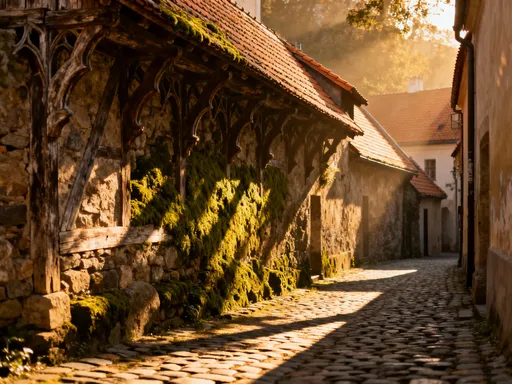
If Heraklion’s market is a celebration of abundance, Chania’s Old Town is a gallery of craftsmanship, where shopping becomes a journey through history and artistry. Nestled along the Venetian harbor, the narrow streets of the old quarter are lined with stone buildings that date back to the 14th century. Arches, hidden courtyards, and wooden shutters painted in deep blue create a romantic backdrop for a different kind of shopping experience—one that values slowness, detail, and personal connection.
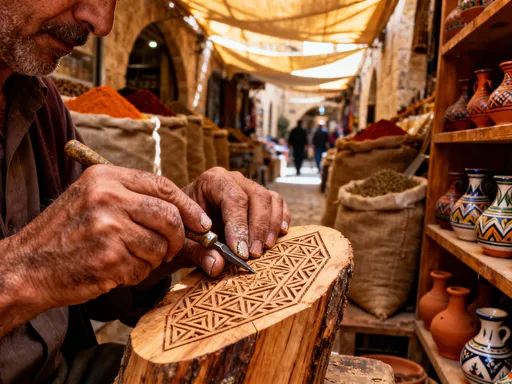
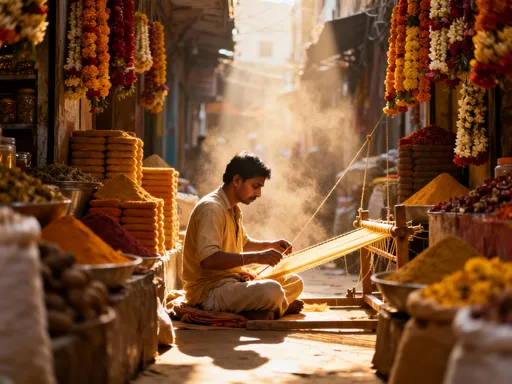
Here, boutique stores and artisan workshops offer goods that are made by hand, often by the people who sell them. You might stumble upon a small shop where a woman weaves linen on a wooden loom, her fingers moving with quiet precision. Another might display olive wood bowls and spoons, each piece carved from fallen branches and polished with beeswax. Natural soaps infused with lavender, chamomile, or local honey are sold in simple paper wraps, their scents evoking the hillsides just beyond the city walls.
One of the most rewarding discoveries in Chania is the presence of intergenerational craftsmanship. In a tucked-away alley, you might find a third-generation cobbler shaping leather sandals using techniques passed down from his grandfather. His workshop is modest—just a few tools, a workbench, and shelves lined with unfinished pairs—but the quality is unmistakable. These sandals, known as tsarouchia, are built to last, with soles thick enough to withstand rocky paths and uppers hand-stitched for comfort. Buying a pair is not just a purchase; it’s an acknowledgment of skill, patience, and heritage.
The rhythm of shopping in Chania is inherently slower, inviting you to pause, sip a Greek coffee at a seaside café, and return to browsing with fresh eyes. Many visitors follow a loose itinerary: begin at the harbor, wander through the Splantzia district, stop for a snack of dakos topped with tomato and feta, then lose yourself in the maze of streets without a map. This sense of gentle disorientation is part of the charm. There are no chain stores, no neon signs—just small, independent businesses that reflect the soul of the place. Whether you buy a hand-painted icon, a jar of thyme honey, or simply a bar of olive oil soap, the act of choosing feels intentional, meaningful.
Rethymno’s Friday Market: Rural Rhythms in Full Swing
Every Friday, the main avenue of Rethymno transforms into a sprawling open-air market that draws farmers, artisans, and families from surrounding villages. Unlike permanent markets, this weekly event has a festive, almost ceremonial quality. Stalls made of folding tables and sun-faded umbrellas line the street, selling everything from fresh produce to handmade baskets. The market begins early—by 7:00 a.m., trucks are unloading crates of vegetables—and by mid-morning, the avenue is alive with movement and chatter.
What sets Rethymno’s Friday market apart is its strong rural character. Many of the vendors are small-scale farmers who grow their own food on terraced hillsides or in family-run orchards. Their stalls reflect the seasons: in winter, you’ll find pomegranates, citrus, and hardy greens like kale and collard; in summer, the displays shift to okra, zucchini, and sweet red peppers. Some bring eggs still warm from the coop, or jars of honey harvested from hives tucked into rocky crevices. Others sell dakos rings, the round barley rusks that are a cornerstone of Cretan cuisine, often accompanied by samples topped with tomato, cheese, and a drizzle of olive oil.
The market is also a social event, a place where distant relatives reunite and news is exchanged over cups of strong coffee. Children run between stalls, clutching bags of dried figs or sesame sweets. Elderly women bargain gently for bundles of wild greens, known as horta, which they will boil and serve with lemon and olive oil. The pace is relaxed, but there is an underlying urgency—once the best produce is gone, it’s gone. That’s why arriving early is recommended, especially if you’re looking for organic vegetables or rare herbs like dittany, a medicinal plant native to Crete.
For visitors, the Friday market offers a rare glimpse into the island’s agricultural heart. It’s less polished than the markets in Heraklion or Chania, but that’s part of its appeal. There’s no pretense, no attempt to cater to tourist tastes. The goods are what people here actually eat and use. Purchasing from these vendors supports small farms and preserves traditional farming methods. And because many of the items are sold in bulk or without packaging, it’s also a more sustainable choice. A simple cloth bag is all you need to carry away fresh lemons, a round of cheese, and a bunch of basil tied with string.
Village Yards and Home Makers: The Rise of Cottage Commerce
As you travel deeper into Crete’s mountainous interior, shopping takes on an even more personal form. In villages like Archanes, Anogia, and Zaros, it’s not uncommon to see a woman sitting outside her stone house, a hand-embroidered tablecloth spread on a wooden table. There may be no sign, no price list—just a quiet invitation to look, to touch, to talk. These informal setups are part of a growing trend known as cottage commerce, where local artisans sell directly from their homes, often using skills passed down through generations.
In Anogia, famous for its bold embroidery and weaving traditions, elderly women create intricate patterns using red and black thread, symbols that once told stories of resistance and resilience. Their work is not made for mass production; each piece is unique, stitched with care and memory. In other villages, you might find a man selling tsikoudia, a strong grape-based spirit, from a glass demijohn in his courtyard. He’ll pour a small glass for tasting, then smile as you savor the clean, fiery flavor. These encounters are fleeting but profound, rooted in hospitality rather than salesmanship.
What makes these experiences so special is their intimacy. There’s no pressure to buy, no scripted pitch. Instead, there’s conversation—about the weather, the harvest, the price of olives this year. You might learn how embroidery patterns vary by region, or why tsikoudia is traditionally offered as a gesture of welcome. These exchanges go beyond commerce; they are acts of cultural sharing. For the visitor, especially one seeking authenticity, they offer a rare chance to connect with Cretans on their own terms.
When visiting such informal setups, respect is essential. Always ask before taking photos, and don’t assume that everything is for sale. If you’re interested in a piece, inquire politely and be prepared to pay a fair price—these goods are handmade and time-intensive. A simple “poso kani?” (how much?) is enough to begin the conversation. And if you don’t buy, that’s okay too. A smile, a thank you, and a moment of genuine appreciation mean just as much. These moments are not about consumption; they are about human connection.
Beyond Souvenirs: What to Buy (and What to Skip)
With so many shopping opportunities across Crete, it’s natural to wonder what’s worth bringing home. The key is to focus on items that are meaningful, sustainable, and representative of the island’s culture. The most valuable purchases are those that support local producers and carry a story—something you can share with others not just as a souvenir, but as a memory.
Top of the list is Cretan olive oil, widely regarded as some of the finest in the world. Look for extra virgin oil in dark glass bottles, preferably labeled with a protected designation of origin (PDO). A small bottle from a family-run grove makes a thoughtful gift and a delicious addition to your kitchen. Equally prized is wild mountain tea, or tsai tou vounou, harvested from dried Sideritis plants that grow at high altitudes. It has a delicate, earthy flavor and is traditionally believed to support wellness. Both of these items are best purchased directly from producers or trusted vendors in local markets.
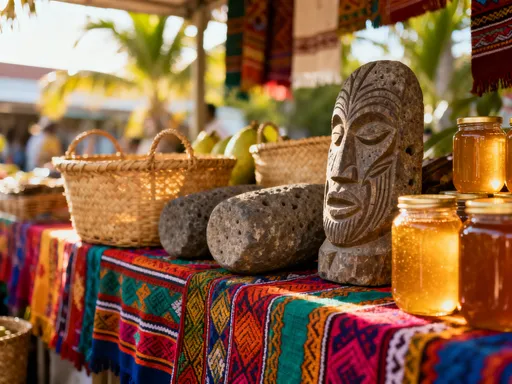
Other worthwhile buys include hand-thrown pottery, especially pieces from the village of Thrapsano, known for its centuries-old ceramic tradition. Look for unglazed water jars or painted plates with geometric patterns. Handwoven textiles, such as linen towels or wool blankets from Anogia, are durable and beautiful. And for something truly personal, consider a hand-painted icon or a piece of silver jewelry made in the traditional Cretan style.
On the other hand, it’s wise to avoid mass-produced souvenirs sold in strip malls or tourist-heavy areas. Items like plastic keychains, imported ceramics, or generic “Greek” t-shirts offer little value and often undermine local artisans. These goods are not made in Crete, nor do they reflect its culture. Instead of adding to the cycle of disposable tourism, choose purchases that honor the island’s heritage and support its people. When in doubt, ask: Was this made here? By whom? With what materials? The answers will guide you toward more meaningful choices.
Navigating the Experience: Practical Tips for Mindful Exploration
To make the most of your shopping experiences in Crete, a few practical considerations can go a long way. First, carry cash—many small vendors, especially in village markets and home-based setups, do not accept credit cards. Having small bills on hand makes transactions smoother and shows respect for local customs. While Greek is the primary language, most market vendors in tourist areas speak some English, but learning a few basic phrases like “poso kani?” (how much?), “efharisto” (thank you), and “parakalo” (please) can deepen your interactions and show appreciation for the culture.
Visit markets in the morning for the best selection and freshest produce. By afternoon, popular items may be sold out, and the heat can make browsing less comfortable. Wear comfortable shoes, as many markets involve walking on uneven surfaces or cobblestone streets. Bring a reusable bag—plastic bags are increasingly discouraged, and a cloth tote is both eco-friendly and practical.
Most importantly, approach shopping in Crete not as a checklist, but as an experience. Slow down. Taste what’s offered. Ask questions. Let yourself get lost in the alleys of Chania or the stalls of Rethymno. These moments of connection—however brief—are what make travel meaningful. The items you bring home are not just objects; they are vessels of memory, each one tied to a face, a flavor, a moment of shared humanity.
In the end, shopping in Crete is not about what you acquire, but what you gain: a deeper understanding of a resilient, proud culture that values quality, tradition, and connection. It is a form of slow travel, one that invites you to look closely, listen carefully, and participate with respect. When you return home with a jar of thyme honey or a handwoven scarf, you’re not just carrying a souvenir—you’re carrying a piece of Crete’s soul.