Beyond the Beaches: Fortaleza’s Wild Side Uncovered
When most people think of Fortaleza, they picture Praia de Iracema or the bustling Mercado Central. But I was chasing something quieter, wilder. What I discovered were secret lagoons nestled between towering dunes, sleepy fishing villages where time moves slower, and nature reserves teeming with birds and blooming cacti. This is a side of Ceará’s capital that doesn’t make the brochures—but should. If you’re looking for natural beauty without the crowds, Fortaleza has a few breathtaking surprises waiting just off the beaten path.
The Usual vs. The Unseen Fortaleza
Fortaleza is widely celebrated for its sun-drenched coastlines and vibrant urban energy. Tourists flock to its well-known beaches like Praia do Futuro and Iracema, where beachfront kiosks serve cold coconut water and live music drifts through the palm trees. The city’s cultural landmarks, such as the Dragão do Mar Center of Art and Culture, offer a rich blend of contemporary exhibitions and traditional performances. These experiences are undeniably appealing and form the foundation of Fortaleza’s reputation as a top coastal destination in northeastern Brazil.
Yet beyond these polished surfaces lies a different Fortaleza—one shaped by wind-sculpted dunes, freshwater lagoons, and dense coastal forests. While the city’s mainstream attractions draw thousands, only a fraction of visitors venture into its quieter, more remote corners. These hidden landscapes remain largely untouched by mass tourism, offering a more intimate and authentic connection to the region’s natural heritage. The contrast between the popular and the overlooked is striking, not because one is better than the other, but because they represent two distinct ways of experiencing the same place.
Choosing to explore Fortaleza’s lesser-known areas is not just about avoiding crowds. It’s about shifting perspective—seeing the city not only as a leisure destination but as a living ecosystem with deep ecological and cultural roots. For many travelers, especially those seeking meaningful and reflective experiences, this quieter side holds greater value. The motivation to seek it out often comes from a desire to move beyond surface-level tourism and engage more thoughtfully with the environment and local communities.
This journey into the unseen Fortaleza begins with curiosity and a willingness to stray from marked paths. It requires no special equipment or extreme adventure skills—just an openness to slow travel and an appreciation for subtle beauty. Whether it’s watching herons take flight over a still lagoon or walking through a forest where the air hums with insect life, these moments offer a different kind of reward: one rooted in presence rather than possession. By stepping away from the usual routes, travelers gain access to a more complete picture of what Fortaleza truly is.
Dunes of the Dunas do Rosado
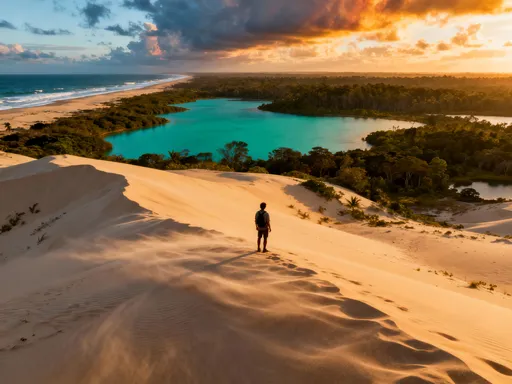
Just a short distance from the city’s northern edge, the Dunas do Rosado rise like waves frozen in time. These vast sand formations stretch across the coastline, creating a surreal desert-like landscape where the only sounds are the wind and the occasional call of a passing bird. Unlike the soft, golden sands of Fortaleza’s urban beaches, the dunes here are sculpted into sharp ridges and sweeping curves, their colors shifting from pale beige at dawn to deep rose at sunset—hence the name “Rosado,” meaning pinkish or rosy in Portuguese.
The ecological significance of the Dunas do Rosado is often overlooked, yet it plays a crucial role in the region’s environmental balance. As part of a dynamic coastal system, the dunes act as natural barriers against erosion and storm surges, protecting inland areas from the full force of the Atlantic Ocean. They also support a surprisingly resilient range of plant life, including hardy grasses and shrubs that stabilize the sand and create microhabitats for small animals and insects. Birdwatchers may spot species such as the yellow-rumped tyrannulet or the white-bellied hummingbird, both adapted to the arid conditions.
What makes the Dunas do Rosado especially appealing is its relative isolation. While not entirely unknown, it remains far less visited than other regional attractions, allowing for moments of true solitude. The best time to visit is early morning or late afternoon, when temperatures are milder and the light enhances the dunes’ natural contours. During midday, the sun can be intense, so travelers should come prepared with water, sunscreen, and lightweight clothing. There are no formal facilities in the area, so carrying out all waste is essential to preserving the site’s pristine condition.
Access to the dunes is straightforward but requires a bit of planning. The area can be reached by car via Estrada do Coqueiro, a paved road that leads from the city toward the coast. Some sections may require a four-wheel-drive vehicle, particularly after rainfall when the sand becomes loose. Local guides are available in nearby communities and can provide valuable insights into the area’s geology and ecology while ensuring visitors stay on safe, permitted paths. For those who appreciate natural beauty in its rawest form, the Dunas do Rosado offer a rare and humbling experience—one that reminds us how powerful and ever-changing nature truly is.
Lagoons of Barra do Ceará: A Local’s Escape
West of Fortaleza’s urban core, where the city gradually gives way to open countryside, lies a network of freshwater lagoons collectively known as the Lagoons of Barra do Ceará. Fed by seasonal rains and underground springs, these interconnected bodies of water create a lush oasis amid the otherwise dry coastal plain. Surrounded by reeds, low trees, and patches of native grassland, the lagoons are a haven for both wildlife and locals seeking respite from the heat and pace of city life.
One of the most striking aspects of the Barra do Ceará lagoons is their tranquility. Unlike the busy waterfronts of central Fortaleza, these waters are rarely crowded. On any given day, you might see a fisherman casting a line from a small wooden boat, a family picnicking under a shaded tree, or a group of children learning to paddle in a rented canoe. The atmosphere is unhurried, shaped more by rhythm of nature than by tourist schedules. This quiet charm makes the area ideal for activities like kayaking, birdwatching, and simply sitting by the water to observe the play of light on the surface.
Ecologically, the lagoons are part of a fragile wetland system that supports a variety of plant and animal species. Aquatic birds such as the striated heron, the southern lapwing, and the wattled jacana are commonly seen, especially during the rainy season when water levels are higher. Frogs, dragonflies, and freshwater turtles also thrive in this environment, contributing to a delicate but vibrant food web. The surrounding vegetation helps filter runoff and maintain water quality, underscoring the importance of preserving these wetlands in the face of urban expansion and climate variability.
Visitors are encouraged to approach the lagoons with care and respect. While there are no strict entry fees or formal regulations in many areas, local communities play a key role in monitoring use and protecting the ecosystem. Travelers should avoid introducing pollutants, refrain from feeding wildlife, and stick to established paths to minimize soil compaction and erosion. Bringing reusable containers and avoiding single-use plastics helps reduce litter, which can harm animals and degrade water quality. By practicing mindful visitation, tourists can enjoy the serenity of the lagoons without compromising their ecological integrity.
The Coastal Forests of Parque Ecológico do Cocó
At the heart of Fortaleza’s green belt lies the Parque Ecológico do Cocó, one of the largest urban mangrove forests in Brazil. Spanning over 1,100 hectares, this protected area weaves through the northern part of the city, offering a rare example of how nature and urban life can coexist. Within its boundaries, a complex network of waterways, forest trails, and observation platforms allows visitors to immerse themselves in a world teeming with life—without ever leaving the city limits.
The park’s ecosystem is dominated by mangroves, salt-tolerant trees whose tangled roots stabilize the soil and provide shelter for fish, crabs, and birds. These forests are vital nurseries for marine species and play a significant role in carbon sequestration, making them essential in the fight against climate change. Beyond the mangroves, the park includes stretches of restinga—a unique coastal vegetation type adapted to sandy, nutrient-poor soils—as well as patches of Atlantic Forest remnants, which host rare orchids, bromeliads, and medicinal plants used by local communities.
For visitors, the park offers a range of accessible experiences. Paved and unpaved walking trails wind through different habitats, each marked with informative signs about the local flora and fauna. Observation towers provide panoramic views of the canopy and wetlands, ideal for spotting egrets, kingfishers, and even the occasional crab-eating raccoon. Early morning is the best time to visit, when temperatures are cooler and wildlife is most active. Park rangers are often on duty to assist with information and ensure that visitors follow guidelines designed to protect the environment.
Conservation efforts at Parque Ecológico do Cocó have been ongoing for decades, driven by both government initiatives and community-led projects. Reforestation programs, invasive species removal, and environmental education campaigns help maintain the park’s ecological health. Sustainable visitation is encouraged through guided tours, school programs, and volunteer opportunities. For residents and tourists alike, the park serves not only as a recreational space but as a living classroom—a reminder that even in rapidly growing cities, nature deserves protection and reverence.
Hidden Beaches Beyond Morro Branco
While Morro Branco is known for its colorful cliffs and tourist-friendly amenities, venturing farther along the coast reveals a string of quieter, less-developed beaches that offer a more secluded experience. Places like Praia do Presídio and Taíba, located within a few hours’ drive from Fortaleza, remain off most mainstream itineraries. These shores are defined not by boardwalks or beach bars, but by natural formations—rocky outcrops, tidal pools, and stretches of fine sand backed by low dunes and coastal scrub.
Praia do Presídio, named after a former prison complex that once stood nearby, is now a peaceful stretch of coastline favored by locals and adventurous travelers. The beach is particularly beautiful at low tide, when wide sandbanks emerge and shallow pools form, creating safe spaces for children to explore. The surrounding area features remnants of old stone walls and scattered vegetation, adding a sense of history and quiet mystery. There are no large resorts here, only a few family-run pousadas (inns) that offer simple, welcoming accommodations.
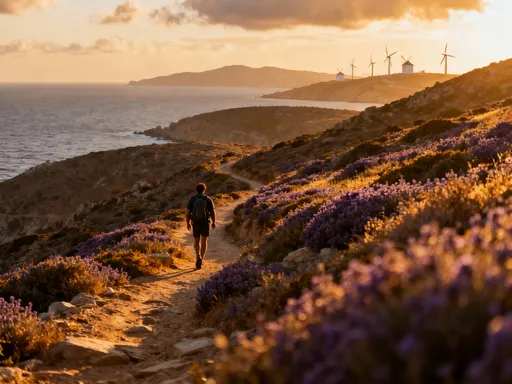
Taiíba, further west, presents a different kind of beauty. Known for its strong winds and expansive shoreline, it has become a destination for kitesurfing enthusiasts, yet much of the beach remains uncrowded. Away from the launch points, visitors can walk for long stretches without encountering other tourists. The natural landscape is striking—wide-open skies, rolling dunes, and a coastline that seems to stretch endlessly. At sunset, the sky often bursts into shades of orange and purple, reflecting off the wet sand in a way that feels almost otherworldly.
Reaching these hidden beaches typically requires a rental car or a guided excursion, as public transportation is limited. Travelers should plan ahead, bringing water, snacks, and sun protection, as services are minimal. Staying on marked paths and avoiding damage to dune vegetation helps preserve the fragile coastal environment. By choosing to visit these quieter shores, travelers not only enjoy greater peace and beauty but also support a model of tourism that values preservation over profit.
Life in the Fishing Communities: A Glimpse into Authentic Culture
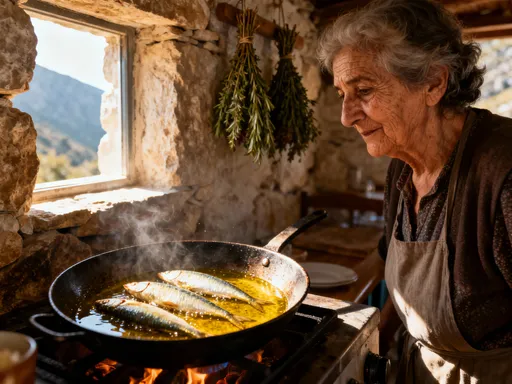
Along Fortaleza’s outer edges and in the villages beyond, small fishing communities continue to live in harmony with the rhythms of the sea. These settlements, often accessible only by narrow dirt roads or boat, offer a window into a way of life that has changed little over generations. Here, fishing is not a tourist attraction but a daily necessity, carried out using traditional methods passed down through families. Nets are mended by hand, wooden boats are painted in bright colors, and the morning catch is often sold directly from the shore.
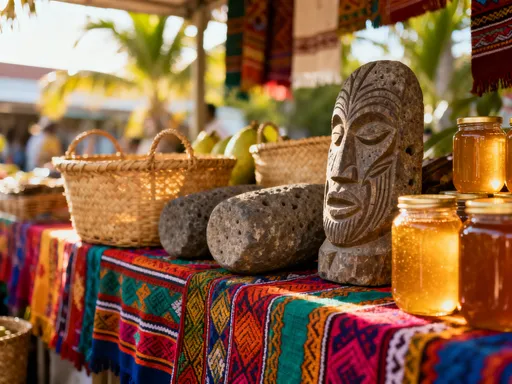
Interacting with these communities can be one of the most rewarding aspects of exploring Fortaleza’s wild side. Locals are often welcoming, especially when visitors approach with respect and genuine interest. Some families open their homes for simple meals, serving fresh fish stew, cassava, and tropical fruits grown in backyard gardens. Others sell handmade crafts—woven baskets, shell jewelry, and embroidered textiles—that reflect both practical skill and cultural pride. These exchanges go beyond commerce; they are moments of human connection that enrich the travel experience.
Supporting these communities through responsible tourism can make a meaningful difference. Purchasing goods directly from artisans, hiring local guides, and staying in community-run accommodations help circulate income within the village. At the same time, it’s important to avoid behaviors that disrupt daily life—such as loud noise, intrusive photography, or demanding special treatment. The goal is not to turn these places into attractions but to allow them to thrive on their own terms, maintaining their traditions while benefiting from respectful engagement with outsiders.
These fishing villages remind us that travel is not just about seeing new places but about understanding different ways of living. They embody resilience, simplicity, and a deep connection to the natural world—qualities that resonate strongly with travelers seeking authenticity. By visiting with humility and care, we honor both the people and the environment that sustain these unique communities.
How to Explore Responsibly and Mindfully
Exploring Fortaleza’s wild side comes with a responsibility to protect it. The very qualities that make these places special—seclusion, ecological sensitivity, cultural authenticity—are also what make them vulnerable. Mindful travel is not a luxury; it is a necessity for ensuring that these landscapes and communities remain intact for future generations. The good news is that responsible exploration doesn’t require drastic measures—just a few thoughtful choices that align with sustainability and respect.
Transportation is one area where small changes can have a big impact. Whenever possible, opt for shared rides, eco-friendly tours, or public transit to reduce carbon emissions. If renting a car, consider using it to carpool with other travelers. Once on site, stick to designated roads and trails to avoid damaging vegetation or disturbing wildlife. In sensitive areas like dunes and wetlands, even a single footprint can accelerate erosion, so staying on marked paths is crucial.
Waste management is another key consideration. Always carry a reusable bag for trash and bring it back with you if bins are unavailable. Avoid single-use plastics, especially near water sources, where they can harm marine life. When eating outdoors, choose biodegradable or reusable containers and clean up thoroughly after meals. Many local guides now promote “leave no trace” principles, encouraging visitors to take only photos and leave only footprints.
Supporting guided tours led by local experts not only enhances the experience but also contributes directly to the community. These guides possess deep knowledge of the land, its history, and its customs, offering insights that no guidebook can replicate. They also serve as stewards, helping enforce conservation rules and educate visitors about appropriate behavior. By choosing certified eco-tours or community-based programs, travelers ensure their spending supports sustainable development rather than exploitation.
Finally, mindfulness means slowing down. Instead of rushing from one site to the next, take time to sit, observe, and listen. Watch how the wind moves through the grass, how birds respond to changing light, how locals greet each other at the end of the day. These quiet moments often leave the deepest impressions. Traveling slowly allows for deeper understanding and greater appreciation—qualities that transform a simple trip into a meaningful journey.
Conclusion
Fortaleza’s true magic isn’t in its busiest spots—it’s in the quiet rustle of mangroves, the stillness of a hidden lagoon, and the vast silence of the dunes. By stepping off the main roads, travelers gain not just stunning views, but a deeper connection to place and people. The wild side of Fortaleza is not just worth seeing—it’s worth protecting. Every footstep taken with care, every choice made with awareness, contributes to the preservation of this fragile and beautiful ecosystem. For those willing to look beyond the postcard image, Fortaleza offers a rare gift: the chance to experience nature in its most honest form, unfiltered and alive. Let that be the memory you carry home—not just of what you saw, but of how you chose to be part of it.