From Distracted to Focused: How One Simple Setting Gave Me Back My Day
Ever feel like your phone controls you? I used to jump every time it buzzed—mid-conversation, mid-thought, even mid-bite. It wasn’t until I changed one tiny notification setting that I realized how much it was stealing my focus, my calm, and my time. What happened next wasn’t magic—it was simple, intentional, and surprisingly powerful. That small shift didn’t just reduce the noise; it gave me space to breathe, to think, and to finally feel like I was in charge of my day again. And the best part? You can do it too, in less time than it takes to brew your morning coffee.
The Moment I Realized My Phone Was Running My Life
It happened over dinner with an old friend—someone I hadn’t seen in months. We sat across from each other at a cozy corner table, candles flickering, the kind of evening meant for real talk and warm laughter. But halfway through my second bite of pasta, my phone buzzed. Just a tiny vibration in my pocket. I didn’t even think—I reached for it. A quick glance. A text from a group chat. Nothing urgent. But in that split second, the moment was gone. I looked up, smiled awkwardly, and said, “Sorry, just checking.” She nodded, but then her phone lit up too. And just like that, we were both scrolling.
When we finally put our phones down, there was a pause—longer than comfortable. Then she said, “I hate that we just did that.” And I knew exactly what she meant. We weren’t rude. We weren’t ignoring each other on purpose. But something had changed. Our attention was no longer fully ours. That night, I went home feeling unsettled. Not angry, not panicked—just sad. Sad that a device meant to connect me was quietly disconnecting me from the people and moments that mattered most.
And it wasn’t just dinner. I started noticing how often I reached for my phone without even thinking. While folding laundry. During my daughter’s soccer game. Even in the middle of reading a bedtime story. The constant pings, the little red dots, the endless scroll—they had become the background noise of my life. I was busy all the time, but at the end of the day, I couldn’t tell you what I’d actually done. My focus felt thin, like paper stretched too far. My mind was always half somewhere else. And I wasn’t sleeping well, either. Too many nights ended with me lying in bed, eyes wide open, scrolling through feeds I didn’t even enjoy. That’s when it hit me: I wasn’t using my phone. My phone was using me.
What Happened When I Turned Off Non-Essential Notifications
The change started with one small decision. I sat down one Sunday morning with my tea and said, “I’m going to turn off every notification that isn’t truly necessary.” No apps telling me someone liked my photo. No alerts for daily deals or shipping updates. No more buzz every time a friend posted a story. Just silence—except for the things that really mattered.
At first, it felt strange. Like walking into a room and expecting music, only to find it quiet. I kept checking my phone out of habit, waiting for that familiar buzz. But after a few hours, something shifted. The silence wasn’t empty—it was peaceful. I noticed I could finish a thought without being pulled away. I read an entire article without tapping out to check a message. I even made eye contact with my kids during dinner—really looked at them—because I wasn’t distracted by a flashing screen.
By the end of the day, I felt lighter. Not because I’d done anything dramatic, but because I wasn’t carrying that low hum of anxiety anymore. You know the one—the feeling that you’re missing something, that someone needs you, that you should be responding. That constant sense of urgency? It faded. And in its place came something I hadn’t felt in years: control. I realized how much mental energy I’d been spending just managing interruptions. Now, that energy was mine again. I could use it to think, to plan, to just be.
The next morning, I didn’t reach for my phone the second I woke up. I sipped my tea, watched the sunlight come through the window, and let my mind wake up slowly. No rush. No pressure. It was a small moment, but it felt like a victory. And that’s when I knew: this wasn’t just about notifications. It was about reclaiming my time, my attention, and my peace—one setting at a time.
How Notification Settings Shape Daily Habits (Without Us Noticing)
We don’t think much about notifications, do we? They’re just little pings, quick alerts, tiny interruptions. But over time, they shape the way we live—often without us realizing it. Every buzz, every pop-up, is a tiny nudge pulling us away from what we’re doing. And our brains? They love it. Each alert gives us a small hit of dopamine—the same chemical linked to pleasure and reward. It’s why we feel that little rush when we see a new message or a like on a post. It feels good. So we keep checking. And the more we respond, the more our brain expects it. It’s not addiction, not exactly—but it’s close. It’s conditioning.
Think about it: when your phone buzzes, what’s your first instinct? To ignore it? Or to grab it and see what it is? For most of us, it’s the second one. That’s not an accident. App designers know how our brains work. They build features to keep us engaged, to pull us back in. And notifications are one of their most powerful tools. They turn our phones into slot machines—we never know what we’ll find when we check, so we keep playing.
But here’s the thing: every time we stop what we’re doing to check a notification, we break our focus. And it takes time—sometimes minutes—to get back into the flow of what we were doing. That’s called attention residue. Our mind lingers on the interruption, even after we’ve put the phone down. Over the course of a day, those little breaks add up. They fragment our time, shorten our attention span, and make it harder to do deep, meaningful work. I used to wonder why I couldn’t finish a project in an hour, even if it only took thirty minutes of actual effort. Now I know: I was losing ten seconds here, twenty there, constantly pulled away by alerts that could have waited.
What’s more, we start to expect the interruptions. We feel restless when our phone is quiet. We check it even when it hasn’t buzzed. That’s how habits form—not in big moments, but in tiny, repeated actions. And once they’re in place, they’re hard to break. But here’s the good news: habits can also be unlearned. When I turned off non-essential notifications, I wasn’t just reducing noise—I was rewiring my brain. I was teaching myself that it’s okay to wait. That the world won’t fall apart if I don’t respond instantly. That my attention is valuable, and I get to decide where it goes.
Building a Calmer Relationship with Your Phone—One App at a Time
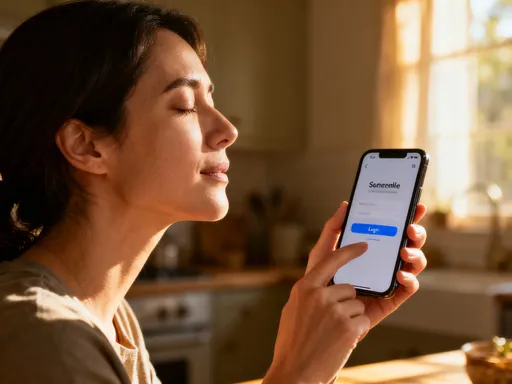
So how do you actually do this? It’s simpler than you might think. I started by going into my phone’s settings—not the app settings, but the main notification menu. On most phones, you can find it under “Notifications” in the settings app. From there, I scrolled through my list of apps, one by one, and asked myself a simple question: “Does this app need to alert me right away?”
For some, the answer was yes. Messages from my family? Yes. Calls from my doctor’s office? Absolutely. But what about social media? Did I really need to know the second someone posted a photo? No. Email? Unless it’s from my child’s school or my boss, it can wait. Shopping apps? I don’t need a push alert for a sale I’ll probably never use. One by one, I turned off the sounds, the banners, the badges—the little red dots that used to drive me crazy.
Here’s a tip: don’t try to do it all at once. Pick one category—maybe social media or shopping apps—and start there. You can always adjust later. And don’t worry—you’re not deleting anything. You can still open the app anytime. You’re just choosing when you look at it, not letting it interrupt you.
I also set up exceptions. For example, I kept message notifications on, but only for my closest family. On iOS, you can do this by going into Messages and selecting “People” under notification settings. On Android, you can set priority contacts. That way, if my daughter’s teacher texts, I’ll hear it. But if a group chat blows up with memes, it stays quiet. I did the same with email—only high-priority senders get through. This way, I don’t miss what matters, but I’m not drowning in noise.
Another thing I changed: I turned off all notifications after 8 p.m. No more late-night pings pulling me back into my screen. Instead, I set a “Do Not Disturb” rule that kicks in every evening. It’s like a digital curfew—for my phone and for me. The first few nights, I missed it. I’d wonder, “Did someone text me?” But soon, I started looking forward to that quiet time. It became part of my wind-down routine, just like brushing my teeth or reading a few pages of a book.
The Unexpected Benefits: More Focus, Better Sleep, and Real Presence
The changes didn’t stop at fewer interruptions. Once the noise faded, I started noticing other shifts—deeper, more meaningful ones. My sleep improved almost immediately. Without the blue light and mental stimulation of late-night scrolling, I fell asleep faster and stayed asleep longer. I wasn’t waking up groggy, wondering why I felt so tired. My body and mind finally got the rest they needed.
My focus got sharper, too. I could sit down and write a grocery list without getting distracted. I finished projects faster because I wasn’t constantly switching tasks. I even started reading again—real books, not just articles on my phone. There’s something about holding a book, turning the pages, losing yourself in a story without a screen buzzing in your pocket. I hadn’t done that in years.
But the biggest change was in my relationships. I was more present—with my kids, my partner, my friends. I listened better. I remembered details. I wasn’t half-thinking about a text I needed to reply to. At dinner, I put my phone in another room. At the park, I watched my daughter climb the jungle gym instead of filming it. I started having longer conversations—real ones, not just quick exchanges between notifications.
One Saturday morning, my youngest came into my room with a book. “Mom, will you read this with me?” A year ago, I would’ve said yes, but then grabbed my phone to check something “quick.” This time, I closed my eyes, took a deep breath, and said, “Of course.” And I meant it. We sat together, side by side, and read the whole thing. No distractions. No pings. Just us. And when we finished, she hugged me and said, “That was fun.” That moment—that simple, quiet, connected moment—was worth every notification I turned off.
Making It Stick: Turning a Change Into a Lasting Habit
Of course, it wasn’t perfect. There were days I slipped. A few weeks in, I re-enabled notifications for a shopping app because I was waiting for a delivery. Big mistake. Within hours, I was back to checking my phone every ten minutes. The noise pulled me right back into old patterns. But instead of beating myself up, I paused. I reminded myself why I started this. I turned the alerts off again—gently, without guilt.
That’s the thing about habits: they need care. They need reminders. So I built in little rituals to keep me on track. Every Sunday morning, I do a quick check of my notification settings—just a five-minute scan to make sure nothing’s crept back in. I pair it with my morning tea, so it feels like part of my self-care routine, not a chore. I also remind myself of how good it feels to be calm, to be focused, to be present. I picture that morning with my daughter, the quiet joy of reading together. That image keeps me grounded.
I also gave myself permission to adjust. If I’m traveling, I might turn on flight alerts. If my mom’s not feeling well, I’ll keep her messages loud. Flexibility keeps it sustainable. This isn’t about being perfect. It’s about being intentional. It’s about designing a relationship with technology that serves you, not the other way around.
And over time, the new habit became second nature. I don’t miss the noise. I don’t crave the buzz. In fact, I protect the quiet. When friends tell me they’re overwhelmed by their phones, I share what I’ve learned. I don’t preach. I just say, “Try turning off the non-essential alerts. See how it feels.” Most come back with the same surprise: “I didn’t realize how much it was affecting me.”
A Smarter, Gentler Way to Live with Technology
Here’s what I’ve learned: technology doesn’t have to control us. We can shape it to fit our lives, not the other way around. That tiny change—turning off non-essential notifications—wasn’t just about reducing distractions. It was about reclaiming my attention, my time, and my peace. It was about choosing what matters and letting go of what doesn’t.
And the truth is, we all have that power. You don’t need a new phone. You don’t need a fancy app. You just need a few minutes and the willingness to try. Because when you stop letting every app demand your attention, you start living more fully. You notice the small things—the way the light hits the trees in the morning, the sound of your child’s laugh, the quiet comfort of a good book. You show up—for your family, for your work, for yourself.
So if you’ve been feeling overwhelmed, distracted, or just a little disconnected from your own life, I want you to know: it’s not you. It’s the noise. And you can turn it down. You can create space. You can take back your day. Start small. Pick one app. Turn off one alert. See how it feels. Because sometimes, the most powerful changes come not from doing more, but from letting go. And in that quiet, you might just find what you’ve been missing all along.